
Embark on a journey into the world of licensed siding contractors, where professionalism meets expertise. Discover the ins and outs of working with licensed professionals and why it's crucial for your siding projects.
Learn about the qualifications, certifications, compliance with building codes, insurance coverage, and more in this comprehensive guide.
Importance of Hiring Licensed Siding Contractors
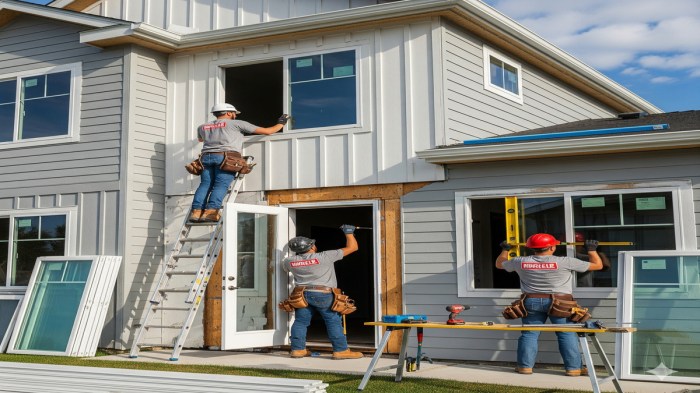
When it comes to renovating or repairing your home's siding, hiring licensed professionals is crucial to ensure the job is done right. Licensed siding contractors have the expertise, training, and qualifications necessary to deliver high-quality workmanship that meets industry standards and regulations.
Working with unlicensed contractors poses significant risks that can lead to costly mistakes, subpar work, and even legal issues. Without a license, contractors may lack the necessary skills and knowledge to properly install or repair siding, putting your home at risk of structural damage, leaks, and other issues.
Quality Workmanship and Adherence to Regulations
One of the key benefits of hiring licensed siding contractors is the assurance of quality workmanship. Licensed professionals are required to meet certain standards and regulations set by governing bodies, ensuring that the work they perform is up to code and meets industry best practices.
Qualifications and Certifications

When it comes to hiring siding contractors, it is essential to consider their qualifications and certifications to ensure that you are working with a professional who meets industry standards.
Qualifications for Obtaining a License
To obtain a license as a siding contractor, individuals typically need to meet certain requirements set by state licensing boards. These requirements may include completing a certain number of hours of relevant training or apprenticeship, passing a licensing exam, and providing proof of insurance and bonding.
Additionally, contractors may need to demonstrate a certain level of experience in siding installation.
Process of Verifying a Contractor's License
Verifying a contractor's license is a crucial step in the hiring process. This can usually be done by contacting the relevant licensing board in your state or checking online databases. By verifying a contractor's license, you can ensure that they are legally allowed to perform siding installation work in your area.
Benefits of Hiring Certified Contractors
Contractors with specific certifications related to siding installation bring added value to the table. These certifications demonstrate that the contractor has undergone additional training and has acquired specialized skills in siding installation. Hiring certified contractors can give you peace of mind knowing that the job will be done correctly and efficiently.
Compliance with Building Codes
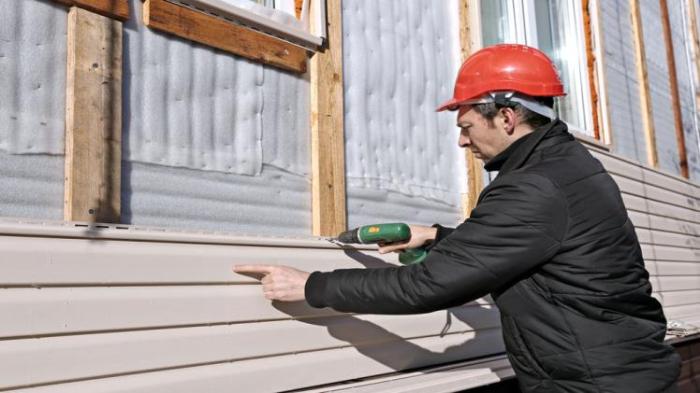
When it comes to siding projects, compliance with building codes is crucial to ensure the safety, durability, and legal adherence of the installation. Licensed siding contractors play a vital role in ensuring that all work is done in accordance with the specific regulations and standards set forth by local building codes.
Importance of Compliance
Compliance with building codes is essential to guarantee that the siding installation meets the necessary structural and safety requirements. Failure to comply with these codes can result in serious consequences, including fines, project delays, or even having to redo the entire installation.
- Proper Anchoring and Fastening: Building codes often specify the type and placement of fasteners required to secure siding panels to the structure. This ensures that the siding can withstand wind loads and other environmental stresses.
- Fire Resistance: Some areas have strict regulations regarding the fire resistance of siding materials. Licensed contractors are knowledgeable about these requirements and will choose materials that meet the necessary standards.
- Weatherproofing: Building codes may mandate the use of specific weatherproofing techniques to prevent water infiltration and damage. Contractors will follow these guidelines to ensure the longevity of the siding.
Consequences of Non-Compliance
Failure to comply with building codes during a siding project can have serious repercussions. Not only can it compromise the safety and integrity of the installation, but it can also lead to legal issues and financial liabilities.
- Legal Penalties: Non-compliance with building codes can result in fines and penalties imposed by local authorities. Contractors and homeowners may be held responsible for any violations.
- Voided Warranties: Manufacturers often require that siding installations meet building code requirements to maintain the warranty. Failing to comply can void these warranties, leaving homeowners without protection.
- Safety Hazards: Ignoring building codes can lead to safety hazards, such as inadequate structural support or improper fire protection. This puts occupants at risk and can result in costly repairs or liabilities in case of accidents.
Insurance and Liability Coverage
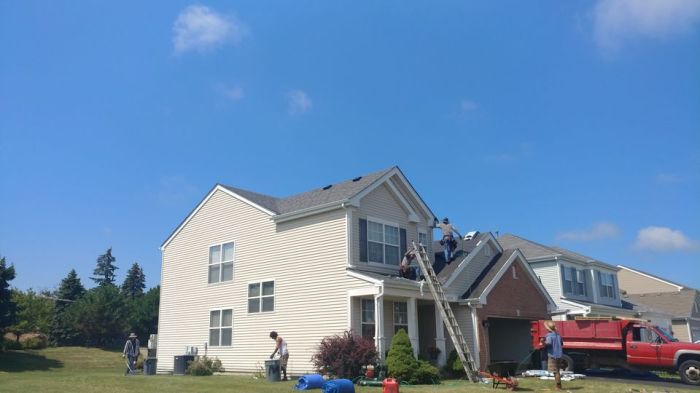
When hiring licensed siding contractors, it is essential to consider their insurance and liability coverage. This protects both the contractor and the homeowner in case of unexpected events or accidents during the project.
Types of Insurance and Liability Coverage
- General Liability Insurance: This coverage protects against property damage or injuries that may occur during the siding project.
- Worker's Compensation Insurance: This provides coverage for the contractor's employees in case of work-related injuries or accidents.
- Professional Liability Insurance: Also known as errors and omissions insurance, this covers any mistakes or negligence in the contractor's work.
Importance of Insurance Coverage
Insurance coverage is crucial as it safeguards both parties involved. For contractors, it provides financial protection in case of lawsuits or claims. For homeowners, it ensures that they are not held liable for any accidents or damages that occur during the project.
Examples of Situations Requiring Insurance Coverage
- If a worker is injured while working on your property, worker's compensation insurance will cover their medical expenses and lost wages.
- If a mistake is made during the siding installation, professional liability insurance will cover the costs of fixing the error.
- In the event of property damage caused by the siding contractor, general liability insurance will cover the repair or replacement costs.
Last Word
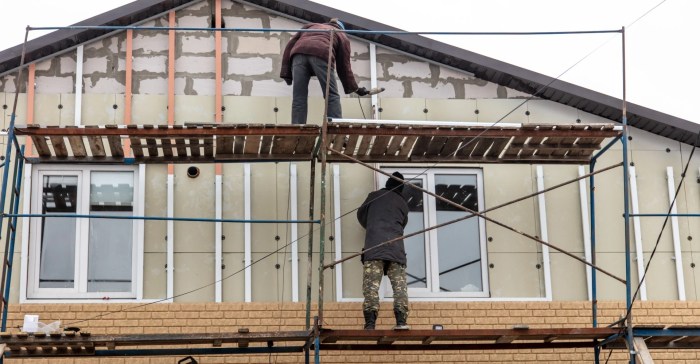
In conclusion, hiring licensed siding contractors not only ensures quality work but also provides peace of mind for both contractors and homeowners. With the right professionals by your side, your siding projects are set up for success.
FAQ Insights
What are the risks of hiring unlicensed siding contractors?
Unlicensed contractors may not have the necessary skills or training, leading to poor workmanship and potential legal issues.
How can I verify a siding contractor's license?
You can verify a contractor's license by checking with your state's licensing board or online database for confirmation.
Why is insurance coverage important for siding projects?
Insurance coverage protects both the contractor and the homeowner in case of accidents, damages, or other unforeseen events during the project.