
Embark on a journey through the world of exterior siding installation with this comprehensive guide. From the importance of siding to the different materials available, this article covers all you need to know before starting your next home improvement project.
Learn about the benefits, types of materials, factors to consider, and steps involved in the installation process. Get ready to transform your home's exterior with new siding!
Importance of Exterior Siding Installation
Installing exterior siding on a property offers numerous benefits that go beyond just aesthetics. It plays a crucial role in protecting the building and enhancing its overall curb appeal.
Enhancing Curb Appeal
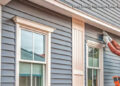
Exterior siding can completely transform the look of a home, giving it a fresh and attractive appearance. With a wide range of colors, textures, and styles available, homeowners can choose a siding that complements their architectural style and personal taste.
This can significantly increase the value of the property and make it stand out in the neighborhood.
Protecting from Weather Elements
One of the primary functions of exterior siding is to shield the building from harsh weather conditions such as rain, snow, wind, and UV rays. By acting as a barrier, siding helps prevent moisture infiltration, mold growth, and structural damage.
It also insulates the home, improving energy efficiency and reducing heating and cooling costs over time.
Types of Exterior Siding Materials
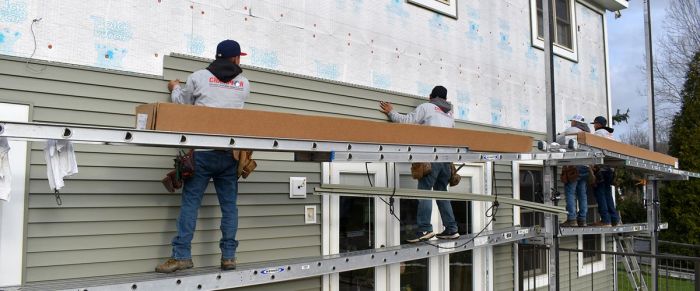
When it comes to exterior siding materials, there are several options available, each with its own unique characteristics and benefits. Understanding the different types of materials used for exterior siding can help you make an informed decision for your home.
Vinyl Siding
Vinyl siding is one of the most popular choices for exterior siding due to its affordability and low maintenance. It is durable, resistant to rot and insects, and comes in a variety of colors and styles. However, it may not be as environmentally friendly as other options and can crack or fade over time.
Wood Siding
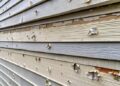
Wood siding has a natural, classic look that many homeowners love. It is environmentally friendly, easy to repair, and can be painted or stained to match your desired aesthetic. However, wood siding requires regular maintenance, including staining or painting every few years, and is susceptible to rot, insects, and warping.
Fiber Cement Siding
Fiber cement siding is a durable and low-maintenance option that can mimic the look of wood or stucco. It is resistant to fire, insects, and rot, making it a long-lasting choice for exterior siding. While more expensive than vinyl, fiber cement siding is known for its longevity and durability, requiring minimal maintenance over time.
Comparing Durability
Vinyl siding
Resistant to rot and insects, but may crack or fade over time.
Wood siding
Natural look, but susceptible to rot, insects, and warping.
Fiber cement siding
Durable, fire-resistant, and low-maintenance.
Maintenance Requirements
Vinyl siding
Low maintenance, occasional cleaning may be required.
Wood siding
Regular staining or painting every few years, inspections for rot and pests.
Fiber cement siding
Minimal maintenance required, occasional cleaning.
Factors to Consider Before Installing Exterior Siding
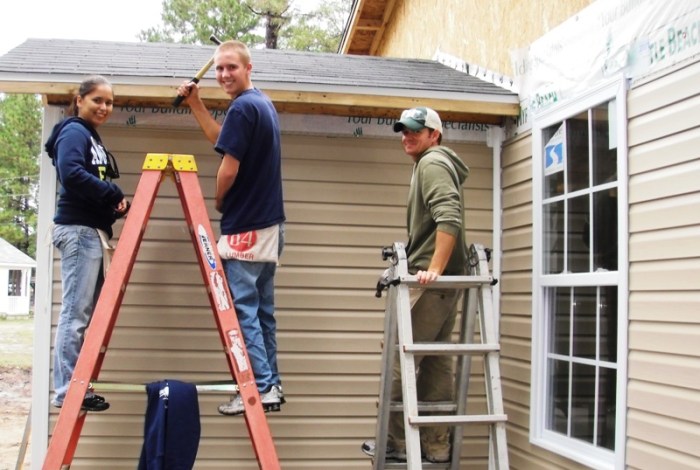
When planning to install exterior siding, there are several key factors that you need to take into consideration to ensure a successful and long-lasting outcome. From the climate of your region to your budget constraints and design preferences, each factor plays a crucial role in determining the best siding option for your home.
Climate
One of the most important factors to consider before installing exterior siding is the climate of your region. Different types of siding materials perform better in specific climates, so it's essential to choose a material that can withstand the weather conditions in your area.
For instance, vinyl siding is a popular choice for areas with moderate climates, while fiber cement siding is more suitable for regions with extreme temperature fluctuations.
Budget
Your budget is another significant factor that will influence your choice of exterior siding. It's essential to consider not only the upfront cost of purchasing the siding material but also the long-term maintenance and repair expenses
Design Preferences
Your design preferences and the overall aesthetic of your home are also crucial factors to consider when selecting exterior siding. You'll want to choose a siding material and color that complements the architectural style of your house and enhances its curb appeal.
Whether you prefer a traditional look with wood siding or a modern feel with metal panels, your design choices can significantly impact the overall appearance of your home.
The Importance of Hiring a Professional Contractor
When it comes to installing exterior siding, hiring a professional contractor is essential to ensure that the job is done correctly and efficiently. Professional contractors have the necessary skills, experience, and tools to properly install siding, minimizing the risk of costly mistakes or damage to your home.
Additionally, working with a reputable contractor can provide you with peace of mind knowing that your siding installation is in good hands.
Significance of Proper Insulation
Before installing exterior siding, it's crucial to ensure that your home is properly insulated. Proper insulation not only helps regulate the temperature inside your home but also improves energy efficiency and reduces heating and cooling costs. By adding insulation before installing siding, you can create a more comfortable and sustainable living environment for you and your family.
Steps in Exterior Siding Installation
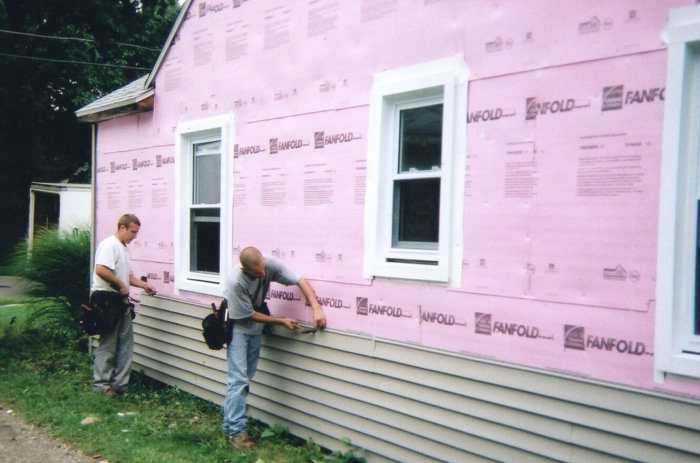
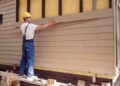
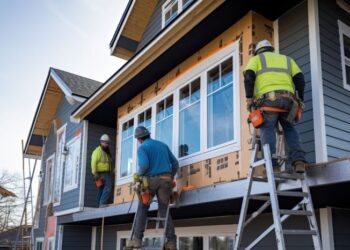
Installing exterior siding involves a series of steps that are crucial for a successful and durable finish. From preparing the exterior surface to overcoming common challenges, each step plays a vital role in the overall outcome of the project.
Preparing the Exterior for Siding Installation
Before beginning the siding installation process, it is essential to prepare the exterior surface properly. This includes:
- Cleaning the surface to remove any dirt, debris, or old paint that may affect the adhesion of the siding material.
- Inspecting the walls for any damage or rot that needs to be repaired before installing the siding.
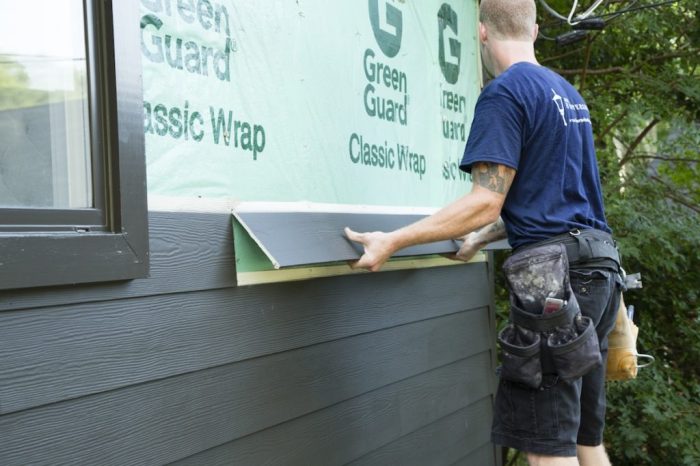
- Applying a weather-resistant barrier to protect the underlying structure from moisture and ensure proper insulation.
Tools and Equipment Required for Siding Installation
Having the right tools and equipment is crucial for a successful siding installation. Some of the essential items include:
- Vinyl siding cutter for precise cuts
- Pneumatic nail gun for securing the siding in place
- Level and chalk line for accurate alignment
- Tin snips for cutting metal siding
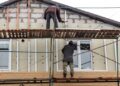
- Ladder or scaffolding for reaching higher areas
Common Challenges Faced During Siding Installation
While installing exterior siding, some common challenges may arise, such as:
- Uneven walls that require additional preparation to ensure a smooth installation process.
- Inaccurate measurements leading to wasted materials and extra costs.
- Weather conditions like rain or extreme heat affecting the installation timeline.
It is important to address these challenges promptly to prevent delays and ensure a high-quality finish.
End of Discussion
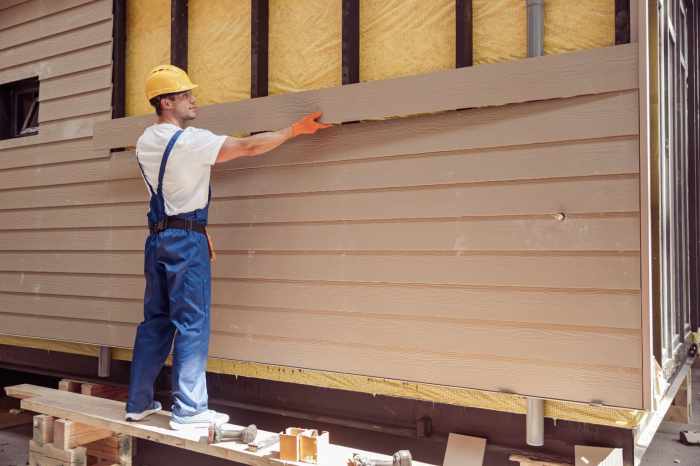
As we wrap up our discussion on exterior siding installation, remember that choosing the right siding can not only enhance your home's appearance but also provide protection from the elements. With the knowledge gained from this guide, you're now equipped to make informed decisions for your upcoming siding project.
Expert Answers
What are the benefits of exterior siding installation?
Exterior siding provides insulation, enhances curb appeal, and protects the building from weather elements.
What types of materials are commonly used for exterior siding?
Materials such as vinyl, wood, and fiber cement are popular choices for exterior siding.
Why is it important to hire a professional contractor for siding installation?
Professional contractors ensure proper installation, which is crucial for the longevity and effectiveness of the siding.
What are the key factors to consider before installing exterior siding?
Consider factors like climate, budget, and design preferences to choose the right siding for your property.
What steps are involved in exterior siding installation?
The process includes preparing the exterior, gathering necessary tools, and overcoming common challenges during installation.