
Embark on a journey of discovering the importance of house siding replacement, exploring various materials, key factors to consider, the process involved, costs, and whether DIY is the way to go. Get ready to dive into the world of house siding replacement!
Importance of House Siding Replacement
House siding replacement is crucial for maintaining a home's integrity. The siding of a house not only serves as protection from the elements but also contributes to the overall aesthetic appeal of the property.
Signs indicating the need for house siding replacement:
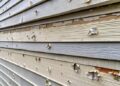
- Cracked or warped siding
- Fading or peeling paint
- Mold or mildew growth
- Increased energy bills
When you notice any of these signs, it is essential to consider replacing your house siding to prevent further damage and maintain the structural integrity of your home.
How house siding replacement can improve energy efficiency:
Upgrading your house siding can significantly improve energy efficiency. New siding materials offer better insulation, reducing heat loss in the winter and heat gain in the summer. This can lead to lower energy bills and a more comfortable indoor environment.
Types of House Siding Materials
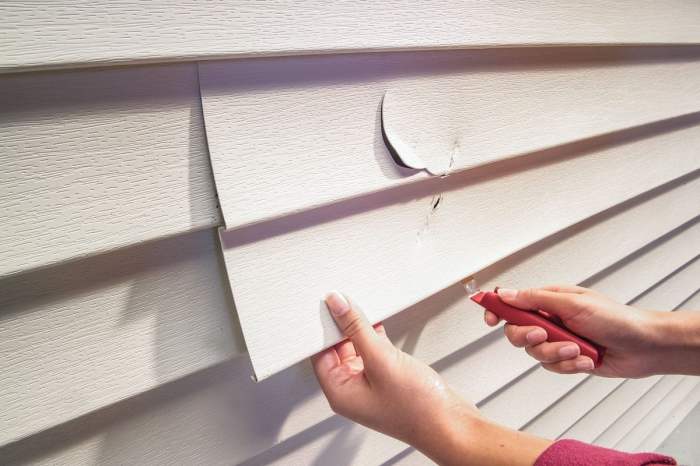
When it comes to house siding materials, there are several options available in the market. Each type of material comes with its own set of pros and cons, as well as specific durability and maintenance requirements.
Vinyl Siding
Vinyl siding is a popular choice due to its affordability and low maintenance requirements. It is available in a wide range of colors and styles, making it a versatile option for homeowners. However, vinyl siding may crack or fade over time, and it is not as durable as other materials.
Wood Siding
Wood siding offers a natural and timeless look to a home. It can be painted or stained in various colors to suit different preferences. While wood siding is aesthetically pleasing, it requires regular maintenance such as painting, staining, and sealing to prevent rot or decay.
Fiber Cement Siding
Fiber cement siding is a durable and low-maintenance option for house siding. It is resistant to rot, fire, and pests, making it a long-lasting choice for homeowners. Fiber cement siding is available in a variety of textures and colors, mimicking the look of wood or stucco.
Metal Siding
Metal siding, such as aluminum or steel, is known for its strength and durability. It is resistant to rot, fire, and pests, making it a low-maintenance option for homeowners. Metal siding is available in various finishes and can be painted to achieve a custom look.
Factors to Consider Before House Siding Replacement
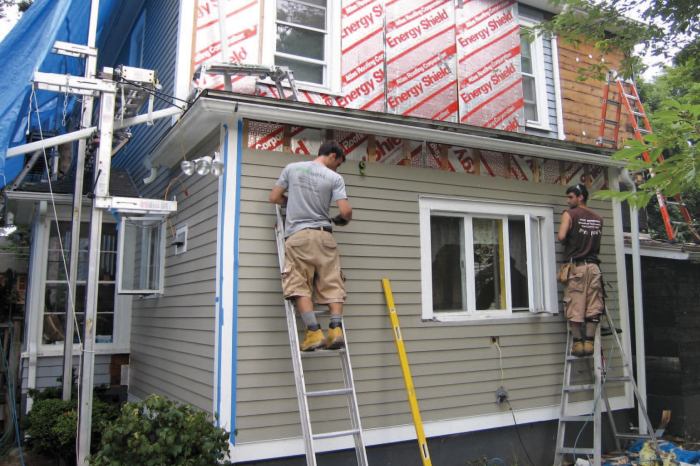
Before embarking on a house siding replacement project, homeowners should take several factors into consideration to ensure the best outcome for their home. From climate considerations to color choices, here are some key factors to keep in mind.
Impact of Climate and Location on Siding Material
The climate and location of your home play a crucial role in determining the most suitable siding material. For example, in regions with extreme weather conditions, such as heavy rain or snow, durable and weather-resistant materials like vinyl or fiber cement siding may be more appropriate.
On the other hand, in areas with high humidity, materials that resist mold and mildew growth, such as cedar or redwood siding, might be preferable.
Tips for Selecting Color and Style
When choosing the color and style of your house siding, it's important to consider the overall aesthetic of your home and neighborhood. Opt for colors that complement the architectural style of your house and blend well with the surrounding environment.
Additionally, consider the longevity of the color choice, as some hues may fade or become outdated over time. It's also advisable to consult with a professional designer or contractor to ensure that your color and style choices enhance the curb appeal and value of your home.
Process of House Siding Replacement
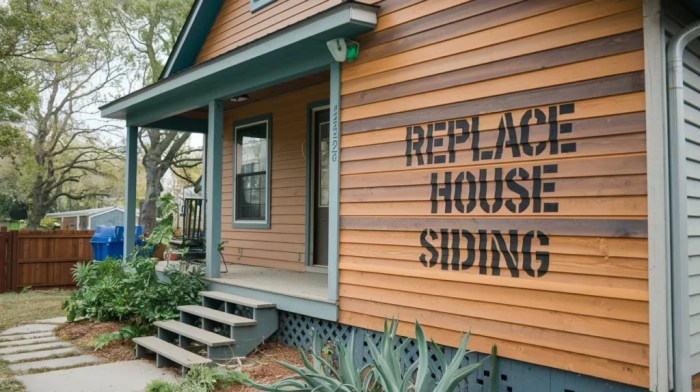
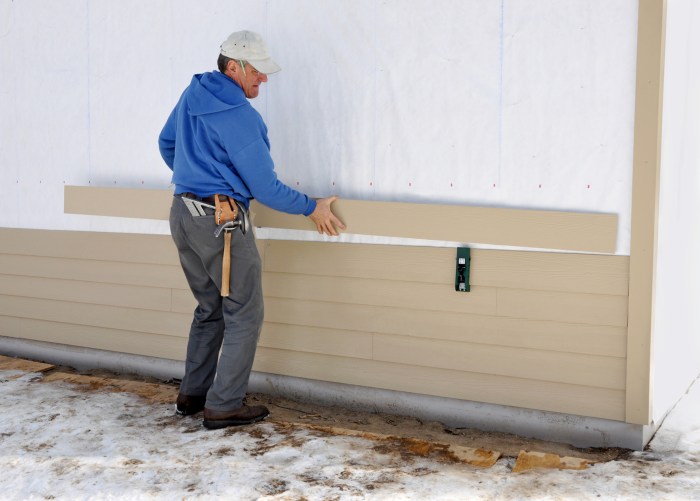
Replacing house siding is a significant home improvement project that can enhance the curb appeal and durability of your property. Here is a step-by-step guide on how to successfully replace house siding.
Tools and Equipment Needed
- Safety gear such as goggles, gloves, and a dust mask
- Hammer, pry bar, and utility knife for removing old siding
- Tape measure and chalk line for accurate measurements
- Nail gun or hammer and nails for securing new siding
- Ladder or scaffolding for reaching higher areas
- Circular saw or tin snips for cutting siding panels
Tips for Preparing the House Exterior
Before starting the house siding replacement project, it is crucial to prepare the exterior of your home to ensure a smooth process. Here are some tips to consider:
- Clean the existing siding to remove dirt, debris, and mold
- Inspect the house for any structural damage or rot that needs to be repaired
- Remove any obstacles around the house that may obstruct the siding replacement process
- Protect landscaping and plants near the house to prevent damage during the project
- Consider weather conditions and plan the replacement during a time when there is minimal risk of rain or strong winds
Cost and Budgeting for House Siding Replacement
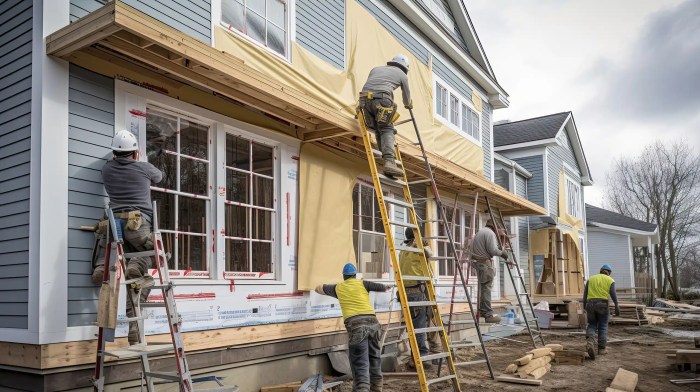
When planning for a house siding replacement project, it is crucial to consider the cost factors involved to ensure that you stay within your budget. Understanding the breakdown of expenses and effectively budgeting for the project can help you manage your finances wisely.
Breakdown of Expenses
- Material Costs: The type of siding material you choose will significantly impact the overall cost of the project. Materials like vinyl, wood, fiber cement, and metal each have different price points.
- Labor Costs: Hiring professionals to install the siding will also add to the expenses. Labor costs can vary depending on the complexity of the job and the rates charged by the contractors.
- Additional Charges: There may be additional charges for permits, disposal of old siding, equipment rentals, and any unforeseen issues that arise during the project.
Budgeting Tips
- Research and Compare: Take the time to research different siding materials and labor costs. Get multiple quotes from contractors to compare prices and services.
- Set a Realistic Budget: Determine how much you can afford to spend on the project and set a realistic budget. Leave room for unexpected expenses that may arise.
- Plan for Contingencies: It's wise to set aside a contingency fund for any unforeseen costs or changes in the project scope.
- Prioritize Quality: While it's essential to stick to your budget, prioritize quality materials and workmanship to ensure a durable and long-lasting siding replacement.
DIY vs. Professional House Siding Replacement
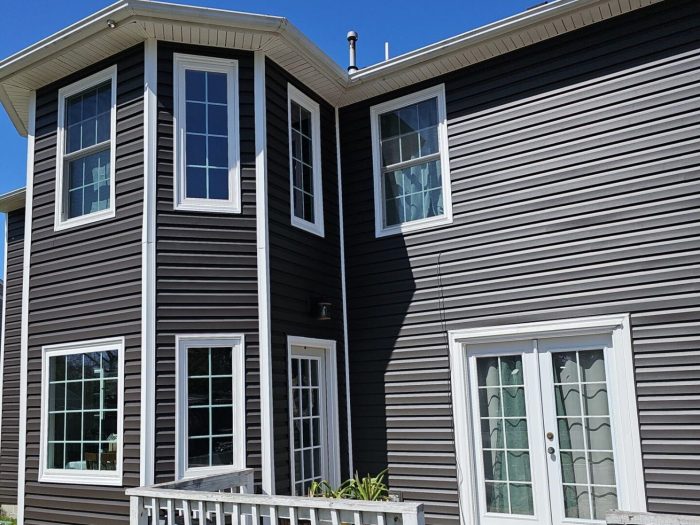
When it comes to house siding replacement, homeowners often wonder whether to tackle the project themselves or hire professionals. Both DIY and professional options have their advantages and disadvantages, so it's essential to weigh the factors before making a decision.
Advantages and Disadvantages of DIY House Siding Replacement
- Advantages:
- Cost-saving: DIY projects can save money on labor costs.
- Sense of accomplishment: Completing a project yourself can be rewarding.
- Flexibility: You can work at your own pace and schedule.
- Disadvantages:
- Lack of expertise: DIYers may not have the skills or knowledge required for a successful installation.
- Safety risks: Working at heights and with tools can pose safety hazards.
- Time-consuming: DIY projects may take longer to complete than hiring professionals.
Safety Considerations for DIY House Siding Replacement
Before embarking on a DIY house siding replacement project, it's crucial to prioritize safety. Here are some key safety considerations:
- Use proper safety gear, including gloves, goggles, and a hard hat.
- Work with a partner to ensure help is available in case of emergencies.
- Follow manufacturer instructions carefully to avoid accidents.
Recommendations on When to Hire a Professional for House Siding Replacement
While DIY projects can be enticing, there are scenarios where hiring a professional for house siding replacement is the best choice:
- Complex installations: If your house has intricate architectural details or unique features, professionals may handle the job more efficiently.
- Time constraints: If you have a strict timeline for completion, professionals can ensure timely and quality work.
- Safety concerns: If you're uncomfortable working at heights or with power tools, it's safer to leave the job to experienced professionals.
End of Discussion
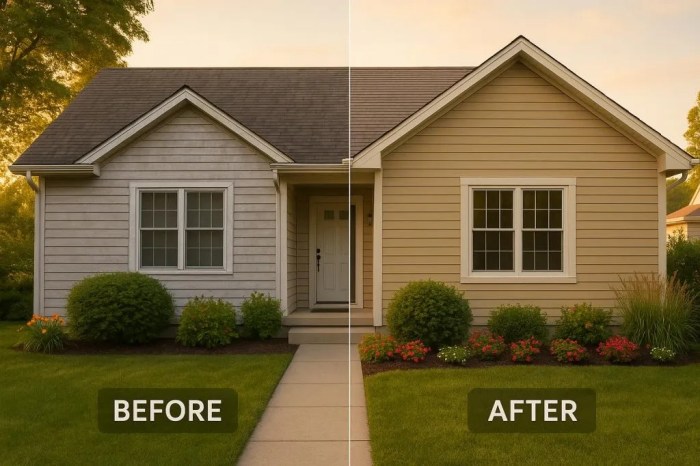
As we conclude our discussion on house siding replacement, it's evident that maintaining a home's exterior is not just about aesthetics but also about functionality and efficiency. With the right knowledge and approach, you can enhance your home's curb appeal and value through proper siding replacement.
Q&A
What are some signs that indicate the need for house siding replacement?
Signs such as cracks, rotting, peeling paint, and high energy bills can indicate the need for house siding replacement.
How do I choose the right color and style of house siding?
Consider factors like your home's architectural style, neighborhood norms, and personal preference when selecting the color and style of house siding.
What are the advantages of hiring professionals for house siding replacement?
Professionals bring expertise, efficiency, and quality workmanship to the project, ensuring a seamless and long-lasting siding replacement.