
Delving into the realm of exterior siding cost, this introductory paragraph aims to pique your interest and provide a holistic view of the subject at hand.
As we navigate through the nuances of different siding materials, cost factors, and budget-friendly options, you'll gain valuable insights into making informed decisions for your home.
Types of Exterior Siding
When it comes to exterior siding, there are several materials to choose from, each with its own advantages and disadvantages. Here are some common types of exterior siding materials:
Vinyl Siding
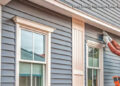
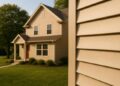
Vinyl siding is a popular choice due to its affordability and low maintenance requirements. It is available in a wide range of colors and styles, making it versatile for different home designs. While it may not have the same aesthetic appeal as wood siding, it is a cost-effective option for homeowners on a budget.
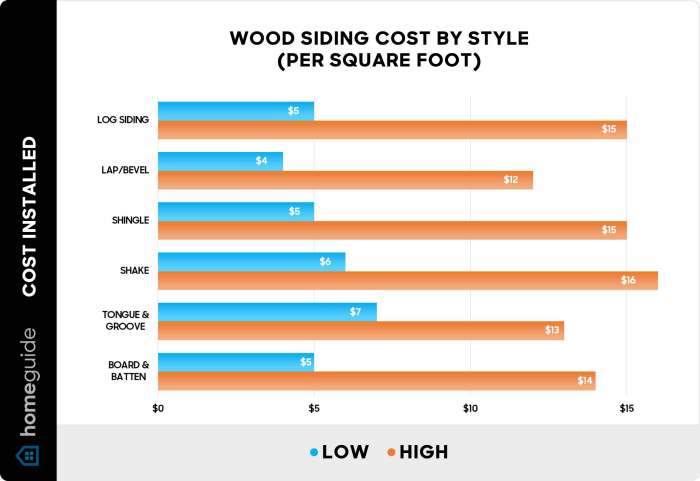
Wood Siding
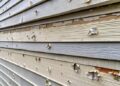
Wood siding provides a classic and natural look to homes, adding warmth and charm. However, it requires more maintenance compared to vinyl siding, as it needs to be regularly painted or stained to protect it from the elements. Despite the higher maintenance costs, wood siding is still preferred by some homeowners for its timeless appeal and authenticity.
Fiber Cement Siding
Fiber cement siding is known for its durability and resistance to rot, insects, and fire. It can mimic the look of wood or stucco without the high maintenance requirements. While fiber cement siding may have a higher upfront cost than vinyl siding, its long lifespan and minimal maintenance needs make it a cost-effective choice in the long run.
Aluminum Siding
Aluminum siding is lightweight, easy to install, and resistant to rust and corrosion. However, it may dent easily and is not as energy-efficient as other siding materials. While aluminum siding is a budget-friendly option, it may not be as durable or insulating as fiber cement siding.Overall, the choice of exterior siding material will depend on factors such as budget, maintenance preferences, and desired aesthetic.
It's essential to weigh the cost-effectiveness, durability, and maintenance requirements of each type of siding to determine the best option for your home.
Factors Influencing Exterior Siding Costs
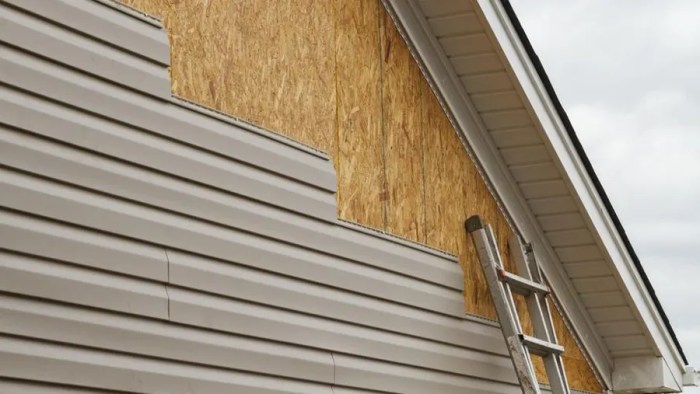
When considering the cost of exterior siding for your home, there are several key factors that can significantly influence the overall price. Understanding these factors will help you make informed decisions and budget effectively for your siding project.
Size of the House
The size of your house plays a crucial role in determining the total cost of siding. Larger homes require more materials, labor, and time to complete the installation, resulting in higher overall costs. Additionally, the complexity of the design and architectural features of the house can also impact the amount of siding needed and, consequently, the final cost.
Chosen Material
The type of material you choose for your exterior siding can have a major impact on the overall installation cost. Different materials vary widely in price, durability, maintenance requirements, and installation complexity. For example, vinyl siding is generally more affordable than natural stone or wood siding, but each material comes with its own unique set of pros and cons that can affect the total cost of the project.
Additional Costs
In addition to the cost of materials, other factors can contribute to the total cost of exterior siding installation. Labor costs, permits, and maintenance expenses should all be taken into account when budgeting for your project. Hiring professional contractors, obtaining necessary permits, and investing in regular maintenance can all add to the overall cost but are essential for ensuring a high-quality and long-lasting siding installation.
Cost Comparison of Popular Siding Materials
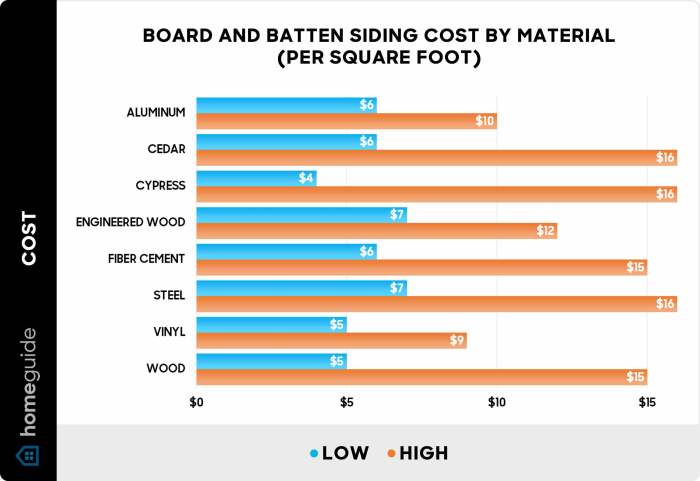
When considering the cost of popular siding materials such as vinyl, wood, and brick, it is important to compare the average cost per square foot to make an informed decision based on your budget and long-term financial goals.Choosing low-cost siding materials may seem like a cost-effective option initially, but it is essential to consider the long-term implications.
Low-cost materials such as vinyl may require more frequent maintenance and replacement, which can add up to higher costs over time. Additionally, these materials may not offer the same level of durability or energy efficiency as higher-quality options.Energy-efficient siding options, such as insulated vinyl or fiber cement, can impact overall costs in the long run by helping to reduce energy bills.
These options provide better insulation for your home, which can lead to lower heating and cooling costs throughout the year
Comparison of Average Cost Per Square Foot
| Siding Material | Average Cost per Square Foot |
|---|---|
| Brick | $6
|
| Wood | $5
|
| Vinyl | $2
|
Budget-Friendly Siding Options
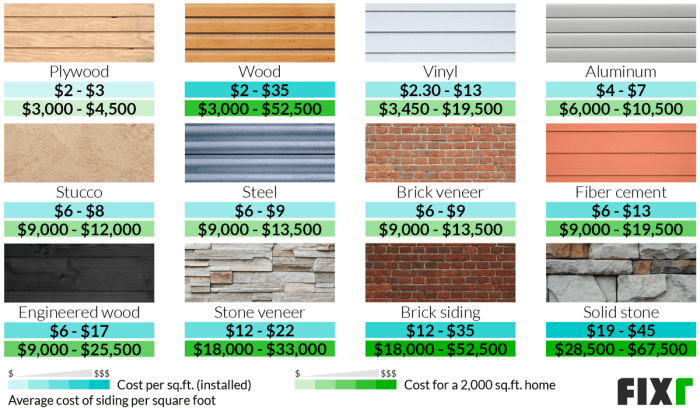
When looking for budget-friendly siding options, there are several materials to consider that can help you save on costs without compromising on quality and aesthetics.
Affordable Siding Materials for Different Architectural Styles
Choosing the right siding material for your home's architectural style is crucial. Here are some affordable options to consider:
- Vinyl Siding: One of the most cost-effective siding materials available, vinyl siding comes in a variety of colors and styles to suit different architectural designs.
- Fiber Cement Siding: Known for its durability and low maintenance, fiber cement siding is a budget-friendly option that mimics the look of wood or stucco.
- Engineered Wood Siding: This type of siding offers the appearance of real wood at a fraction of the cost, making it a popular choice for homeowners on a budget.
Negotiating with Contractors to Reduce Siding Installation Costs
When hiring contractors for siding installation, you can negotiate to reduce costs and stay within your budget. Here are some tips to help you negotiate effectively:
- Get Multiple Quotes: Reach out to several contractors to compare prices and leverage one quote against another for a better deal.
- Bundle Services: If you need other home improvement projects done, consider bundling them with your siding installation to get a discount.
- Ask for Discounts: Don't hesitate to ask contractors if they offer any discounts or promotions that can help lower your overall costs.
DIY Siding Installation to Save on Labor Expenses
For those looking to save on labor costs, DIY siding installation can be a viable option if you have the necessary skills and tools. Here are some benefits of DIY siding installation:
- Cost Savings: By doing the installation yourself, you can eliminate labor expenses and reduce the overall cost of the project.
- Flexibility: DIY installation allows you to work at your own pace and schedule, giving you more control over the project timeline.
- Sense of Accomplishment: Completing a DIY siding installation can be rewarding and give you a sense of pride in improving your home.
Conclusive Thoughts
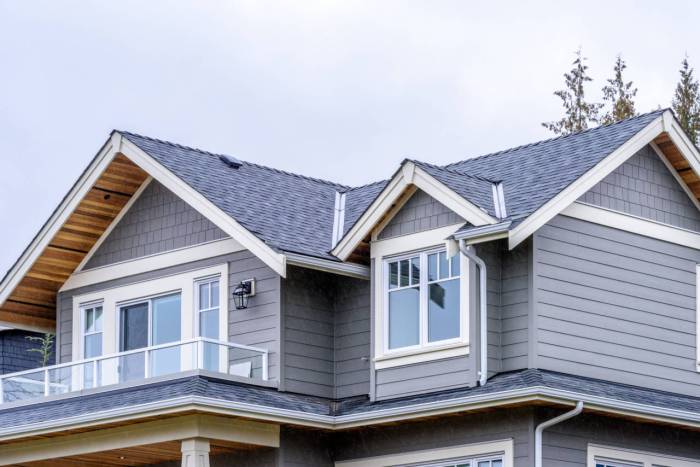
Wrapping up our discussion on exterior siding cost, we've covered a range of essential aspects to consider when embarking on a siding project. From material comparisons to budget-friendly tips, you now have a well-rounded understanding to guide you in your decision-making process.
FAQ Summary
What factors influence the cost of exterior siding?
The size of the house, chosen material, additional costs like labor and maintenance all play a role in determining the overall cost of exterior siding.
Which siding material is the most cost-effective: vinyl or wood?
Vinyl siding tends to be more cost-effective than wood siding due to its lower initial and maintenance costs.
How can energy-efficient siding options impact overall costs?
Energy-efficient siding can lead to long-term savings on energy bills, offsetting the initial investment through reduced energy consumption.
Are there affordable siding options available for different architectural styles?
Yes, there are budget-friendly siding materials suitable for various architectural styles that can help you achieve a desired look without breaking the bank.
Is DIY siding installation a viable option to save on labor expenses?
DIY siding installation can be a cost-effective option, but it's essential to have the necessary skills and equipment to ensure a successful outcome.