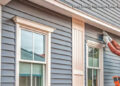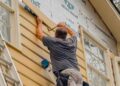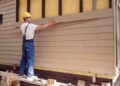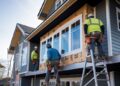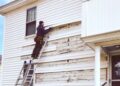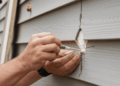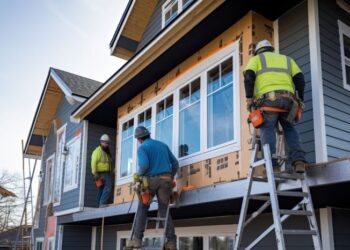

Delving into vinyl siding repair, this guide provides a comprehensive look at the importance of maintaining vinyl siding, common issues faced, DIY repair techniques, professional services available, cost considerations, and maintenance tips to prevent future damage. Let's explore the world of vinyl siding repair together.
Importance of Vinyl Siding Repair
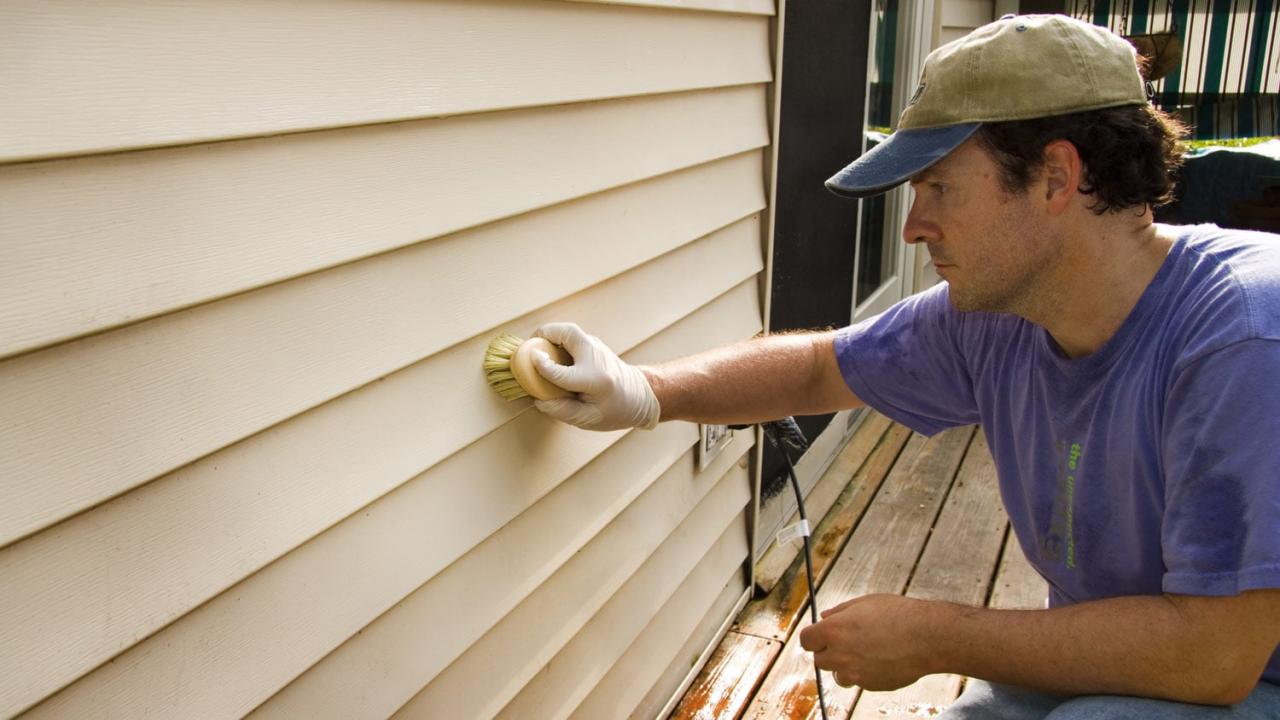
Ensuring the maintenance and repair of vinyl siding is essential for preserving the integrity and appearance of a home's exterior.
Longevity of Home Exterior
Regular vinyl siding repairs help extend the lifespan of the exterior of a house, protecting it from wear and tear over time.
Consequences of Neglect
Neglecting vinyl siding repairs can lead to water infiltration, mold growth, and structural damage, compromising the overall integrity of the home.
Impact of Weather Conditions
Weather conditions such as heavy rain, strong winds, and extreme temperatures can accelerate the deterioration of vinyl siding, making timely repairs crucial to prevent further damage.
Common Vinyl Siding Issues
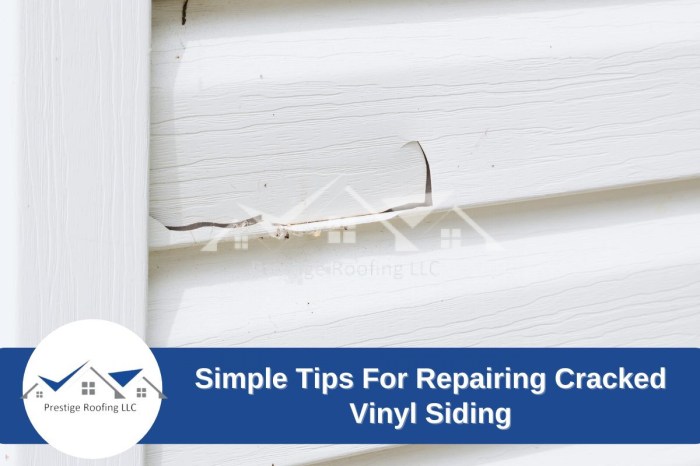
Vinyl siding, although durable, can still face a range of issues that may require repair or replacement. Understanding these common problems can help homeowners address them promptly and prevent further damage.
1. Fading and Discoloration
One of the most noticeable issues with vinyl siding is fading and discoloration over time. Exposure to sunlight and harsh weather conditions can cause the color to fade and appear uneven. This can detract from the overall aesthetic of your home.
2. Cracks and Holes
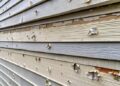
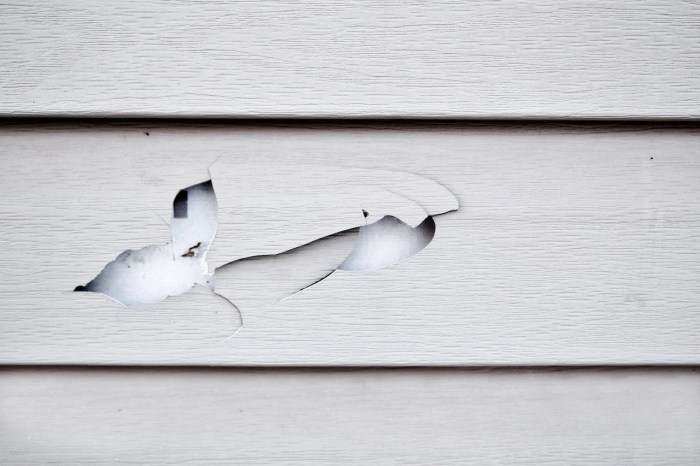
Cracks and holes in vinyl siding can occur due to various reasons such as impact damage, extreme temperature changes, or improper installation. These openings can allow moisture to seep in, leading to water damage and mold growth if not addressed promptly.
3. Warping and Buckling
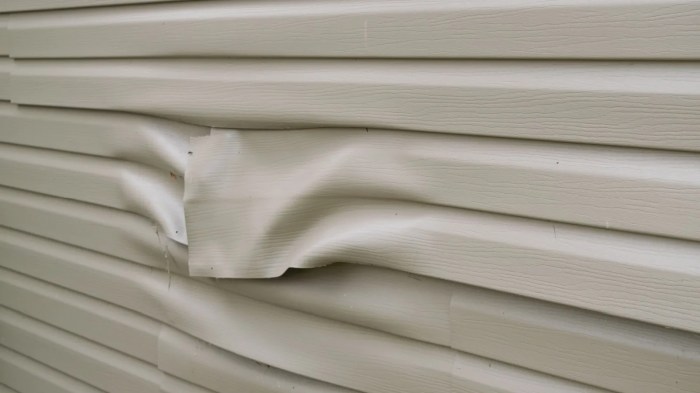
Warping and buckling of vinyl siding can be caused by prolonged exposure to heat or moisture, poor installation techniques, or structural issues within the wall. This can affect the integrity of the siding and compromise its ability to protect your home from the elements.
4. Loose or Missing Panels
Loose or missing panels are often the result of improper installation, aging, or severe weather conditions. These gaps in the siding can allow pests to enter, increase energy costs, and make your home more susceptible to water damage.
5. Mold and Mildew Growth
Moisture trapped behind vinyl siding can create a breeding ground for mold and mildew. This can not only affect the appearance of your home but also pose health risks to you and your family. Regular inspection and maintenance can help prevent this issue.
DIY Repair Techniques
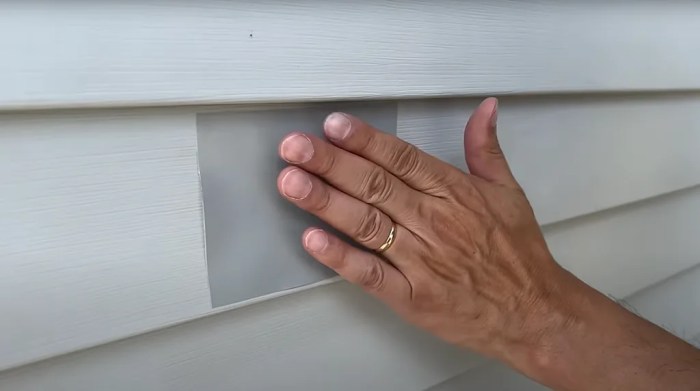
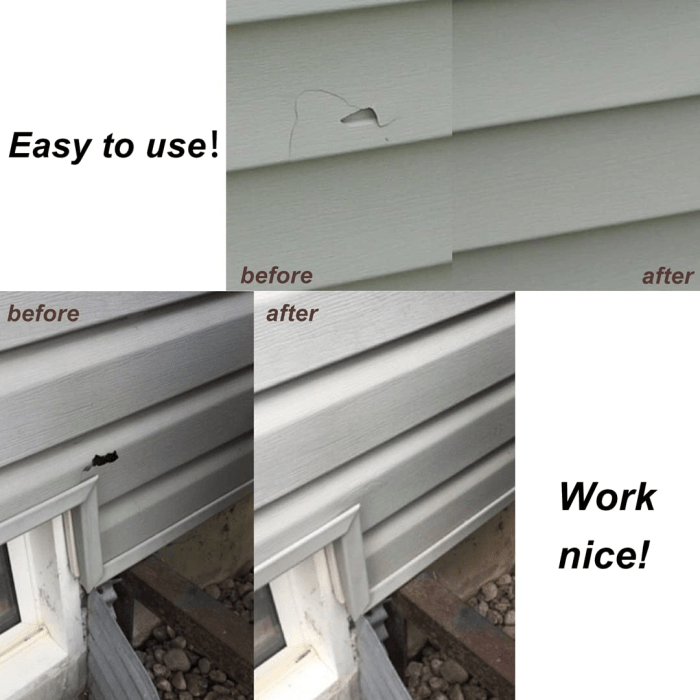
When it comes to minor vinyl siding repairs, homeowners can save time and money by tackling the job themselves. By following some simple steps and using the right tools and materials, you can achieve a professional-looking repair job without the need to hire a contractor.
Step-by-Step Repair Process
- Start by assessing the damaged area and determining the extent of the repair needed.
- Clean the area thoroughly to remove any dirt, debris, or mold that may interfere with the repair.
- Use a utility knife to cut out the damaged section of siding, making sure to cut along the seams for a seamless repair.
- Measure and cut a new piece of siding to fit the empty space, ensuring it matches the color and texture of the existing siding.
- Slide the new piece of siding into place and secure it with nails or screws, being careful not to overdrive them to avoid damaging the siding.
- Finally, caulk around the edges of the repair to seal out moisture and ensure a watertight finish.
Tools and Materials Needed
- Vinyl siding panels
- Utility knife
- Tape measure
- Nails or screws
- Caulk
- Caulking gun
Tips for a Professional-Looking Repair
- Take your time and make precise cuts to ensure a seamless repair.
- Match the color and texture of the replacement siding to the existing siding for a cohesive look.
- Use a level to make sure the new piece of siding is installed straight and flush with the surrounding panels.
- Apply caulk neatly and evenly around the edges of the repair to create a clean finish.
Professional Repair Services
When it comes to vinyl siding repairs, hiring a professional can offer numerous benefits. Professionals have the expertise, tools, and experience to ensure that the repair is done correctly and efficiently, saving you time and hassle in the long run.
Types of Professional Repair Services
- Contractors: Licensed contractors specialize in various home improvement projects, including vinyl siding repairs. They have a team of skilled workers who can handle repairs of any size.
- Siding Companies: Some companies specialize specifically in siding installations and repairs. They often offer warranties on their work, providing added peace of mind.
- Handyman Services: For smaller repair jobs, hiring a handyman can be a cost-effective option. They can quickly address minor issues and prevent them from becoming larger problems.
Choosing a Reputable Contractor
- Check Credentials: Ensure that the contractor is licensed, insured, and bonded. This protects you in case of any accidents or damages during the repair process.
- Read Reviews: Look for online reviews and testimonials from previous customers. This can give you insight into the contractor's reputation and quality of work.
- Get Multiple Quotes: Obtain quotes from different contractors to compare prices and services offered. Choose a contractor that provides a detailed breakdown of costs and timelines.
- Ask for References: Request references from the contractor and follow up with past clients to inquire about their experience. A reputable contractor will be happy to provide references.
Cost Considerations
When it comes to vinyl siding repairs, understanding the costs involved can help you make informed decisions and budget effectively.
DIY vs. Professional Repairs
Here is a breakdown of the costs associated with DIY repairs versus hiring a professional:
- DIY Repairs:
- Cost of materials such as replacement siding panels, nails, caulk, etc.
- Tools and equipment needed for the repair.
- Time and effort spent on the repair.
- Professional Repairs:
- Labor costs for the contractor.
- Cost of materials and tools used by the professional.
- Potential additional fees for inspection or consultation.
Factors Influencing Cost
Several factors can influence the cost of vinyl siding repair, including:
- The extent of damage and the amount of siding that needs to be replaced.
- The quality of materials used for the repair.
- The complexity of the repair job.
- The location and accessibility of the damaged siding.
Tips for Budgeting and Saving Money
Here are some tips to help you budget and save money on vinyl siding repairs:
- Compare quotes from multiple contractors to find the best price.
- Consider DIY repairs for minor damage to save on labor costs.
- Shop around for deals on materials and tools needed for the repair.
- Maintain your vinyl siding regularly to prevent costly repairs in the future.
Maintenance Tips to Prevent Future Damage
Regular maintenance is key to preventing future damage to your vinyl siding. By following some simple tips, you can keep your siding in top condition and avoid the need for frequent repairs. Here are some best practices to help you maintain your vinyl siding:
Cleaning and Caring for Vinyl Siding
- Regularly wash your siding with a mixture of water and mild detergent to remove dirt, grime, and mold.
- Avoid using harsh chemicals or abrasive materials that can damage the vinyl surface.
- Rinse thoroughly with clean water to prevent soap residue buildup.
- Inspect for any signs of damage, such as cracks or loose panels, while cleaning to address them promptly.
Regular Inspections for Early Issue Identification
- Perform regular visual inspections of your siding to check for any signs of wear and tear.
- Look for cracks, warping, discoloration, or loose panels that may indicate potential issues.
- Pay attention to areas around windows, doors, and corners, as they are more prone to damage.
- Address any minor repairs immediately to prevent them from escalating into larger problems.
Ultimate Conclusion
In conclusion, vinyl siding repair is an essential aspect of home maintenance that should not be overlooked. By understanding the importance of timely repairs, identifying common issues, and knowing when to seek professional help, homeowners can ensure the longevity and aesthetic appeal of their property.
Stay informed, stay proactive, and keep your vinyl siding in top condition.
FAQ
How often should vinyl siding be repaired?
It is recommended to inspect vinyl siding annually for any signs of damage and address repairs promptly to prevent further issues.
Can I paint my vinyl siding instead of repairing it?
Yes, you can paint vinyl siding, but it is essential to ensure the surface is clean and prepared properly before painting to achieve long-lasting results.
What are some common signs of vinyl siding damage?
Common signs include cracks, warping, fading, or loose panels that may indicate the need for repairs.
Is it necessary to hire a professional for all vinyl siding repairs?
While minor repairs can be done DIY, it is advisable to consult a professional for extensive damage or issues requiring specialized tools or expertise.