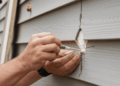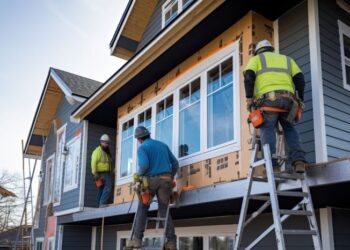

Embark on a journey through the world of loose vinyl siding repair, where we unravel the mysteries surrounding this common issue and provide valuable insights on how to tackle it effectively.
Delve into the details of what causes loose vinyl siding and the risks of neglecting it, along with visible signs to watch out for.
Understanding Loose Vinyl Siding Repair
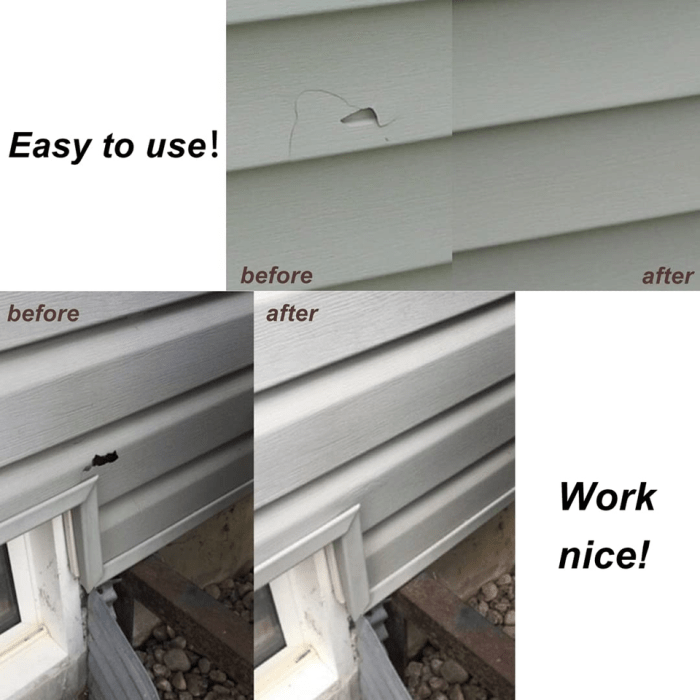
Loose vinyl siding can be a common issue that homeowners face, but understanding the causes and risks associated with it is crucial for proper maintenance of your property.
Common Causes of Loose Vinyl Siding
- Poor installation: If the vinyl siding was not properly installed, it is more likely to become loose over time.
- Age and wear: As vinyl siding ages, it can become more susceptible to loosening due to exposure to the elements.
- Impact or damage: Any impact or damage to the siding can cause it to loosen and detach from the wall.
Potential Risks of Ignoring Loose Vinyl Siding
- Water infiltration: Loose siding can allow water to seep behind it, leading to moisture damage, mold, and mildew.
- Pest infestation: Gaps in the siding can create entry points for insects and other pests to enter your home.
- Decreased energy efficiency: Gaps in the siding can result in heat loss during colder months and higher energy bills.
Visible Signs of Loose Vinyl Siding
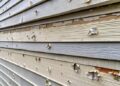
- Bulging or warping of the siding panels
- Gaps between the siding panels
- Noise or rattling sounds during windy conditions
Inspection and Assessment
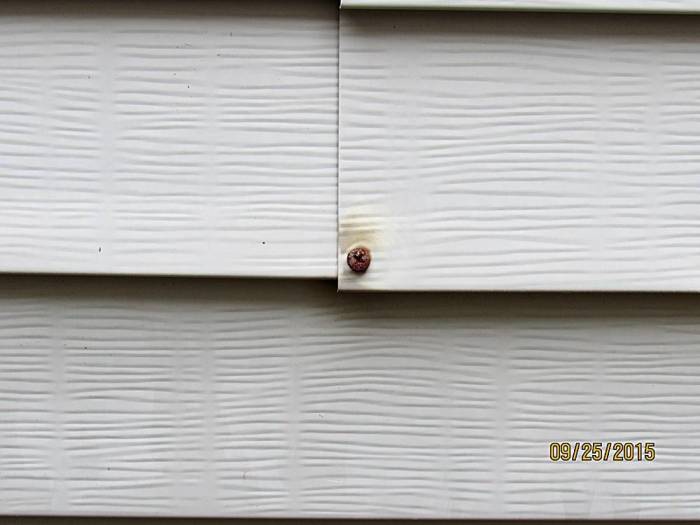
When inspecting loose vinyl siding for damage, it is important to carefully examine the entire area to identify any issues that may need repair. Look for signs of warping, cracking, or gaps between the siding pieces that could indicate damage.
Tools Needed for Assessment
- Flashlight: To help see any damage in areas with poor lighting.
- Ladder: For reaching higher parts of the siding.
- Tape Measure: To accurately measure the extent of any damage.
- Level: To check if the siding is properly aligned.
- Siding Removal Tool: For safely removing damaged pieces of siding.
Identifying Areas Requiring Immediate Attention
When assessing loose vinyl siding, pay close attention to the following areas that may require immediate repair:
- Visible cracks or holes in the siding.
- Signs of moisture or water damage behind the siding.
- Loose or missing pieces of siding that could lead to further damage.
- Any areas where the siding is pulling away from the wall.
Repair Methods for Loose Vinyl Siding
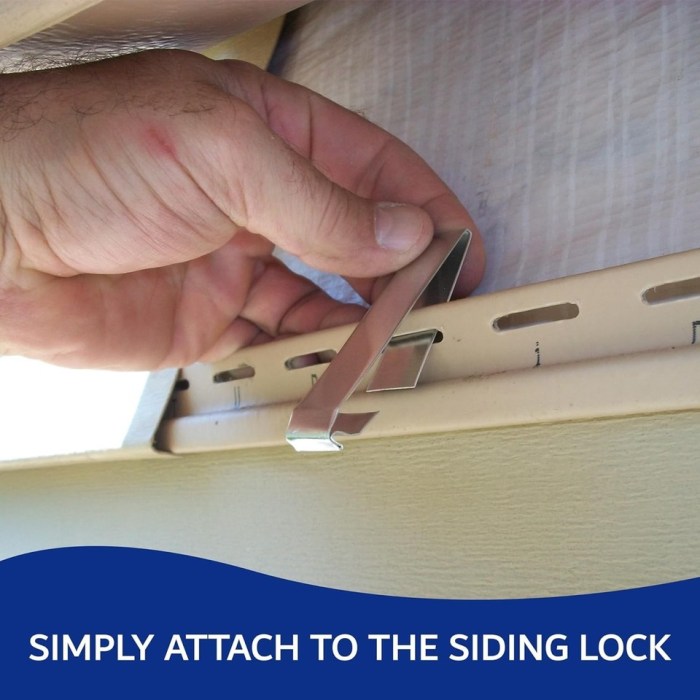
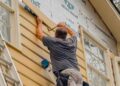
Repairing loose vinyl siding is crucial to maintain the integrity and appearance of your home. There are various methods to address this issue, each with its own benefits and considerations.
Using Adhesive for Repair
When dealing with loose vinyl siding, one common method is to use adhesive to reattach the siding to the wall. This involves applying a strong adhesive to the back of the siding piece and then pressing it firmly against the wall.
It is essential to ensure proper alignment during this process to prevent any gaps or uneven surfaces.
Replacement of Loose Vinyl Siding
In some cases, the best solution for loose vinyl siding is to replace the damaged pieces entirely. This may be necessary if the siding is severely warped, cracked, or otherwise beyond repair. Replacement allows for a fresh start and ensures the longevity of your siding.
Importance of Proper Alignment
Regardless of the repair method chosen, proper alignment is crucial for a successful repair. Misaligned siding can lead to gaps, water infiltration, and an overall unattractive appearance. Take the time to carefully align each piece of siding to ensure a seamless and durable repair.
Materials and Tools
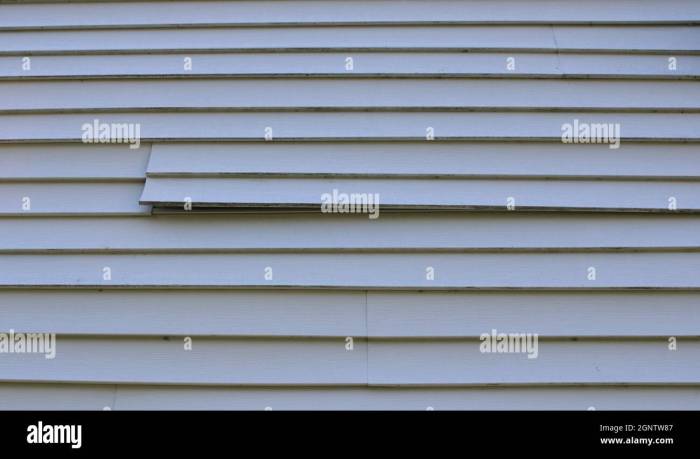
When it comes to repairing loose vinyl siding, having the right materials and tools on hand is crucial for a successful repair job. Below, we will discuss the essential materials required for repairing loose vinyl siding, the role of each tool in the repair process, and provide recommendations for high-quality repair materials and tools.
Essential Materials
- Vinyl Siding Panels: These panels will be used to replace any damaged or loose siding pieces.
- Paint and Primer: To match the color of the existing siding and provide a finished look after the repair.
- Screws or Nails: Used to secure the loose siding back in place.
- Trim Pieces: To cover any exposed edges and provide a clean finish.
- Sealant: To seal any gaps or seams to prevent water infiltration.
Role of Tools
- Hammer: Used to remove any loose nails or secure new nails in place.
- Screwdriver: For tightening or replacing screws holding the siding panels.
- Pry Bar: To carefully remove damaged siding without causing further damage.
- Caulk Gun: To apply sealant and fill in any gaps or seams.
- Siding Removal Tool: Helps in safely removing siding panels without damaging the surrounding area.
Recommendations for High-Quality Materials and Tools
- Opt for high-quality vinyl siding panels that match the existing color and texture to ensure a seamless repair.
- Invest in durable screws or nails that are rust-resistant to prevent future issues with loosening.
- Choose a reputable brand for paint and primer to ensure a professional finish that lasts.
- Select a reliable sealant that is weather-resistant and flexible to accommodate any movement in the siding.
- Purchase tools from trusted manufacturers known for their quality and durability to make the repair process more efficient.
Last Point
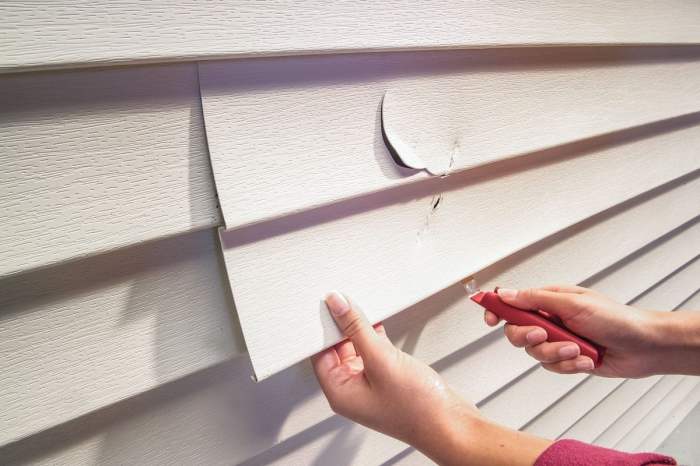
As we conclude our exploration of loose vinyl siding repair, remember the importance of timely inspection and proper repair methods to maintain the integrity of your home's exterior.
Quick FAQs
What are the common causes of loose vinyl siding?
Loose vinyl siding can be caused by factors like improper installation, extreme weather conditions, or aging of the material.
How do I inspect loose vinyl siding for damage?
Inspect for any gaps, warping, or missing pieces in the siding. Press on the siding to check for movement or give, indicating looseness.
What are the essential materials required for repairing loose vinyl siding?
Materials like siding clips, adhesive, replacement panels, and caulking are commonly needed for repairing loose vinyl siding.
Why is proper alignment important during the repair process?
Proper alignment ensures a seamless look and prevents future issues with the siding. It also enhances the overall aesthetic appeal of the repair.